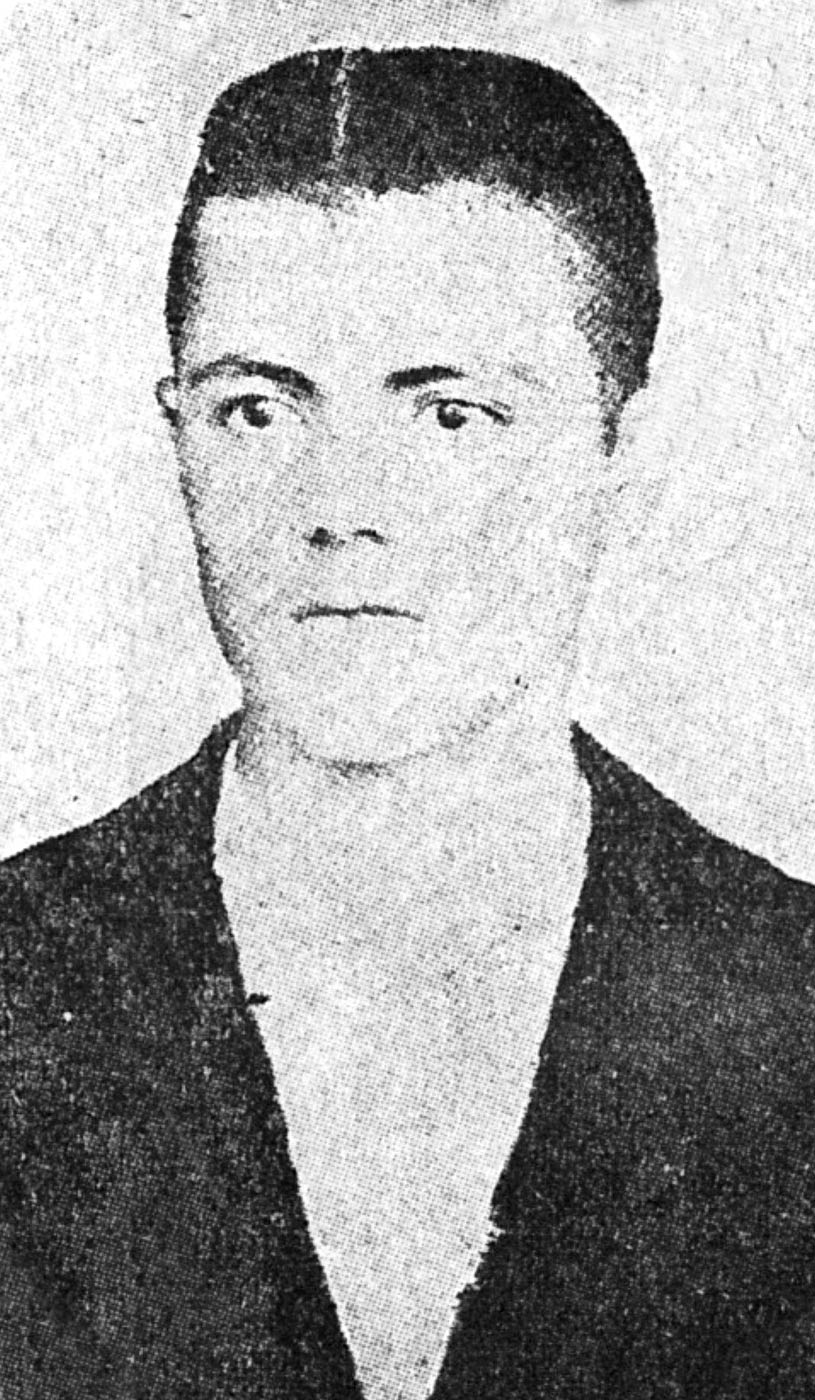
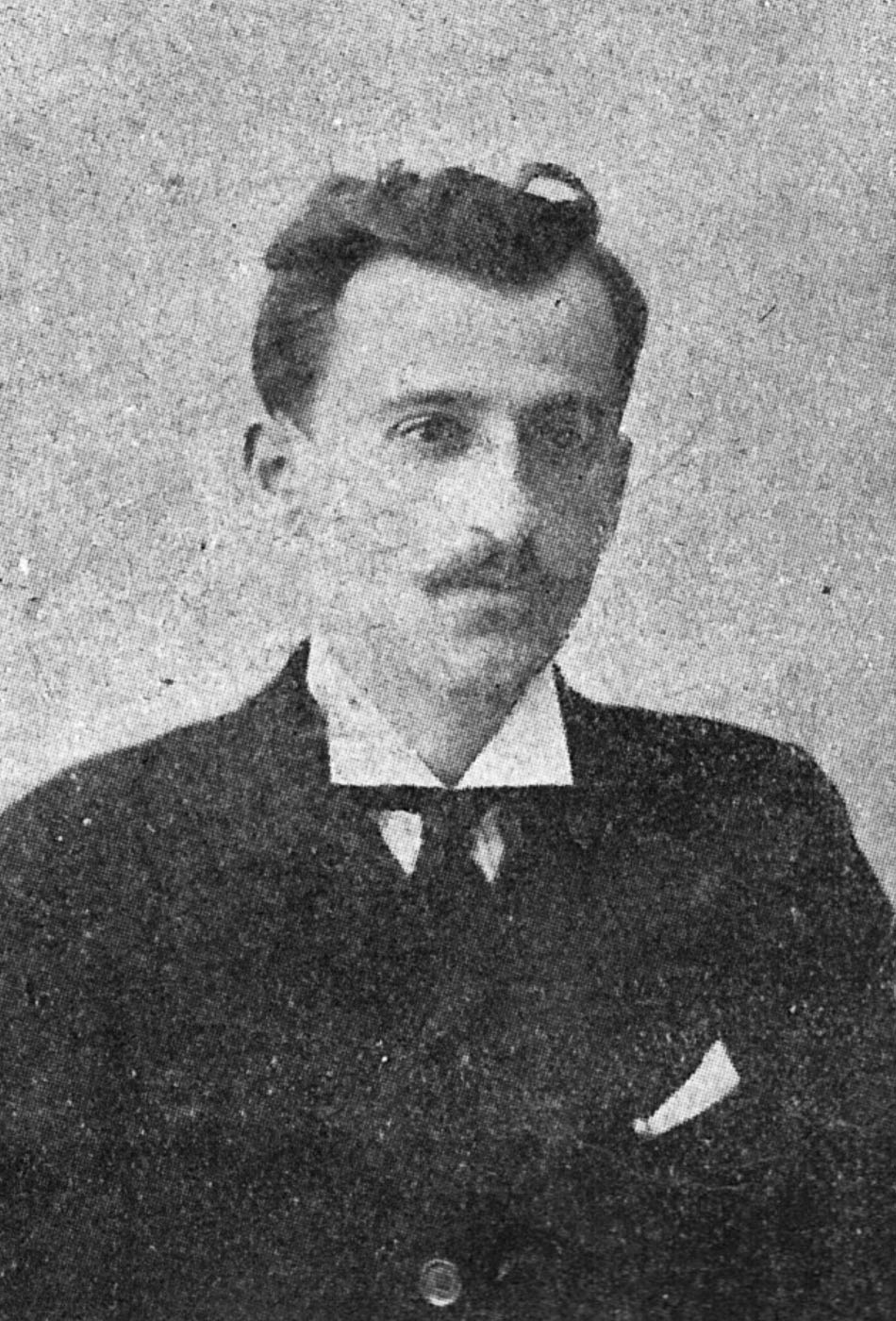
The memories of a generation of Macedonians organized in a revolutionary group of young activists, known as “gemidzii”, are inextricably linked with the historical turmoil of the centuries-old struggle of the Macedonian people to gain national and social freedom. United by their ideology and dedicated to their vision, these young anarchists, at the cost of the greatest sacrifice – offering their own lives- believed that they could replace the collective effort of the people with their emphasized individualism in the revolutionary action, thus avoiding the consequences of a general uprising and that they could contribute more to the liberating process through spectacular actions that will resonate in the world. For maximum effect, at the end of April 1903, in Salonika, they carried out a series of dynamite actions against facilities funded by foreign capital in the empire, in order to draw the attention of the European and the world public to the solution of the Macedonian issue. On the other hand, overwhelmed by the sense of deep humanism, during the actions, they did everything to avoid unnecessary innocent victims. Their sacrifice and faith in the righteousness of the chosen path made their deed immortal and left a lasting mark in the collective memory of the Macedonian people, showing that life without freedom is meaningless.
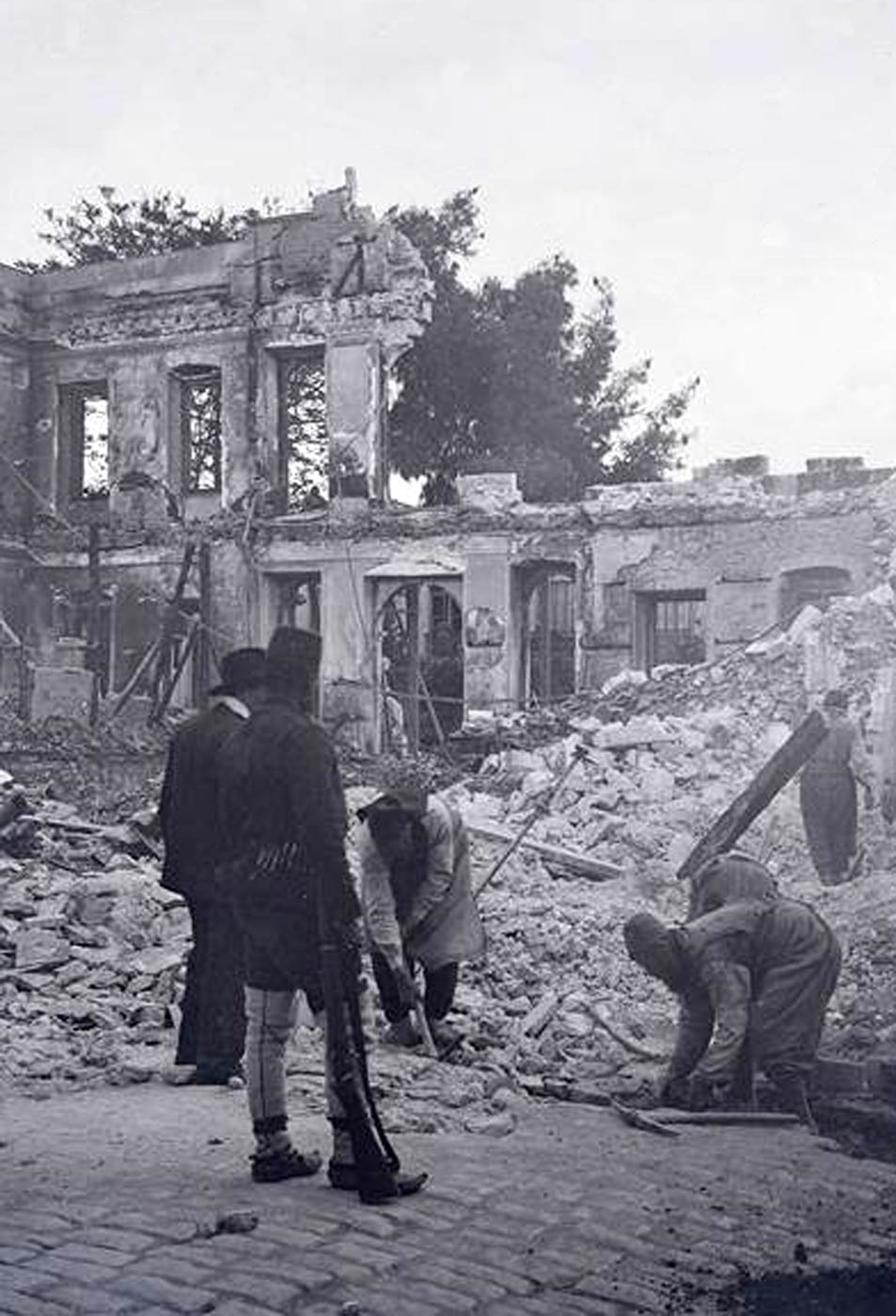
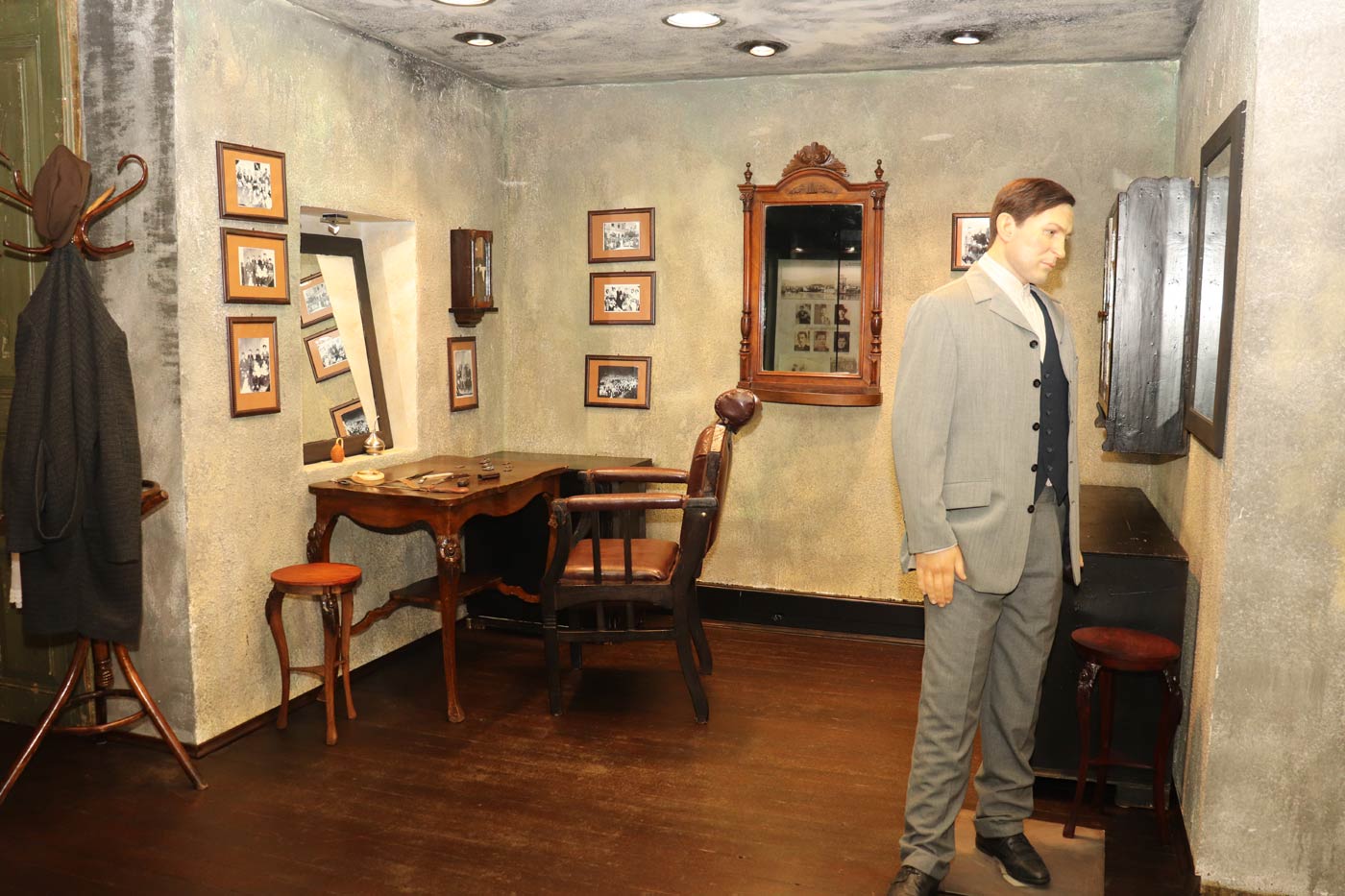
One of the targets of the attack by the group of young anarchists, known as “gemidzii” was the Ottoman Bank in Salonika. To achieve this objective, a barber shop was rented opposite the Bank building. From there, they started digging an underground tunnel towards the foundations of the Bank, with the intent to emplace explosive to demolish the Bank.
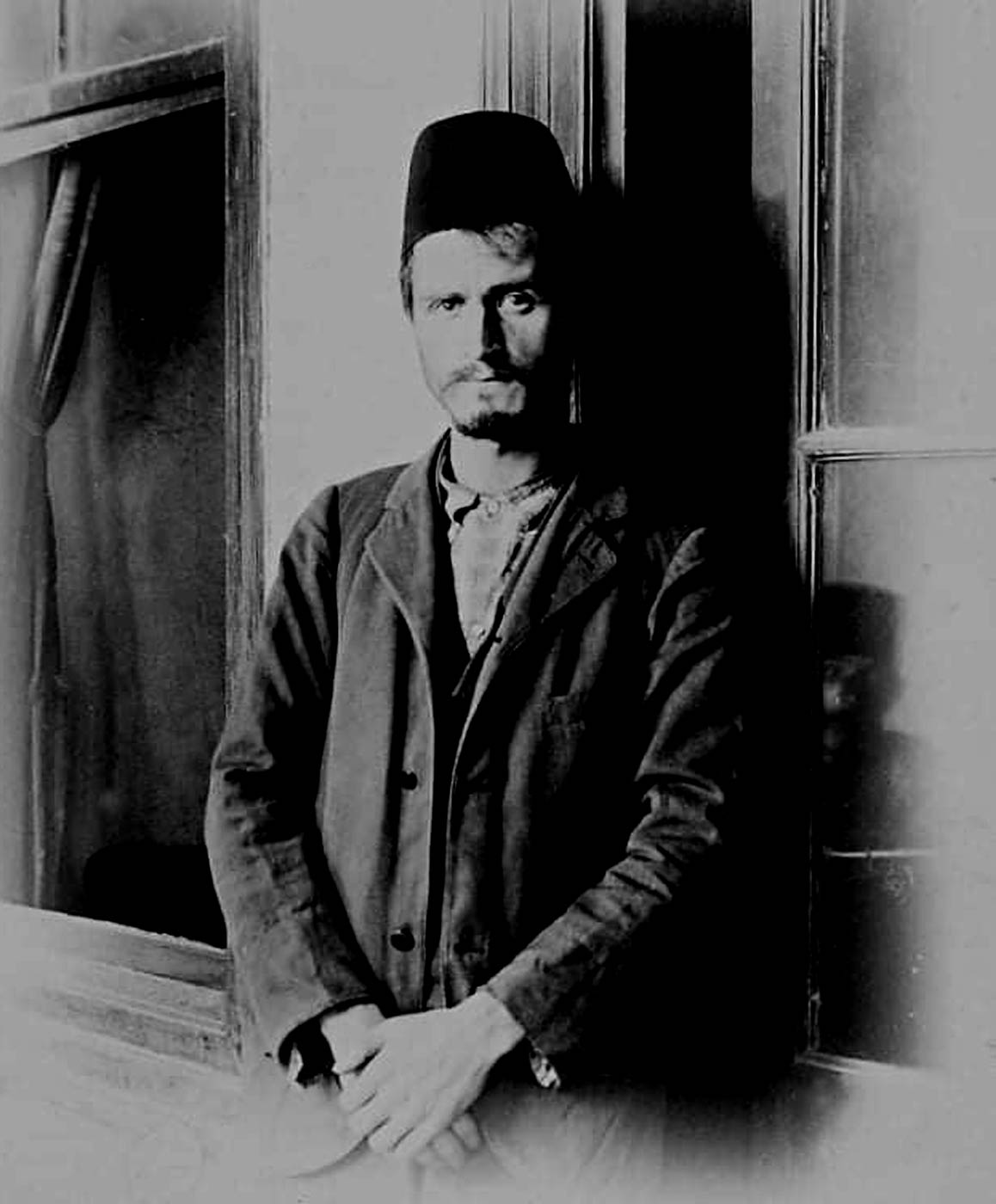
Wax figure: JORDAN POP JORDANOV–ORCETO 1881-1903 MACEDONIAN REVOLUTIONARY, ANARCHIST, LEADER OF THE REVOLUTIONARY CONSPIRACY CIRCLE - "GEMIDZII"
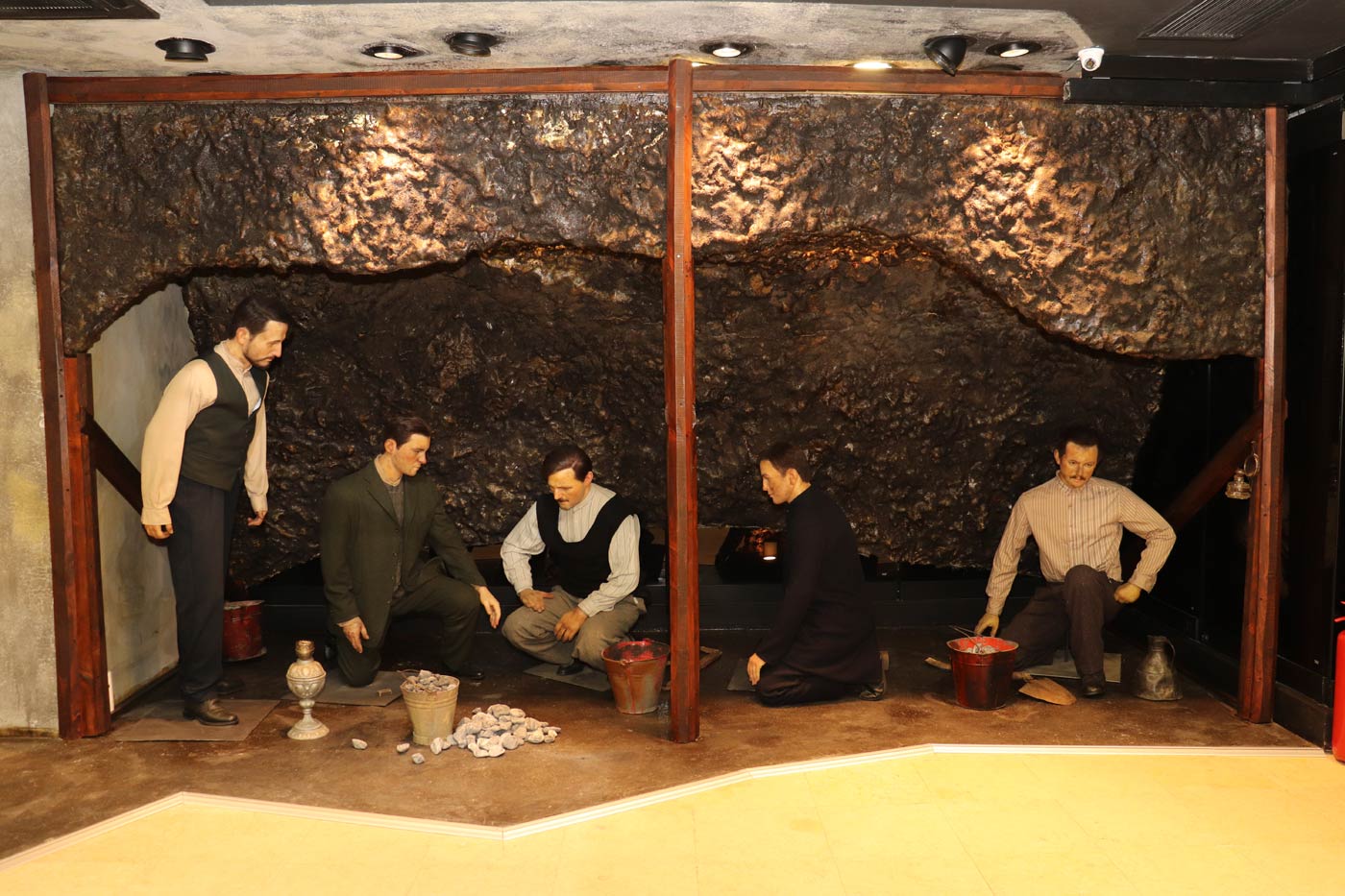
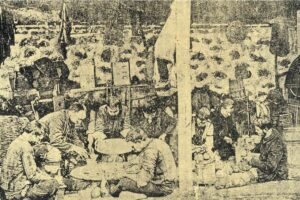
DIGGING THE UNDERGROUND TUNNEL TOWARDS THE OTTOMAN BANK IN SALONIKА
The process of digging the underground tunnel, with certain suspensions of all activities due to the danger of being discovered, took place from 1900 to 1903.The digging was usually done by two in a shift. The necessary oxygen within the tunnel was provided with the help of blacksmith bellows, and the excavated earth was carefully brought out in bags.
Wax figures: MARKO BOSHNAKOV 1874-1903, ILIJA TRCHKOV 1884-1903, DIMITAR MECHEV 1870-1903, KONSTANTIN KIRKOV 1882-1903, VLADIMIR PINGOV 1883-1003