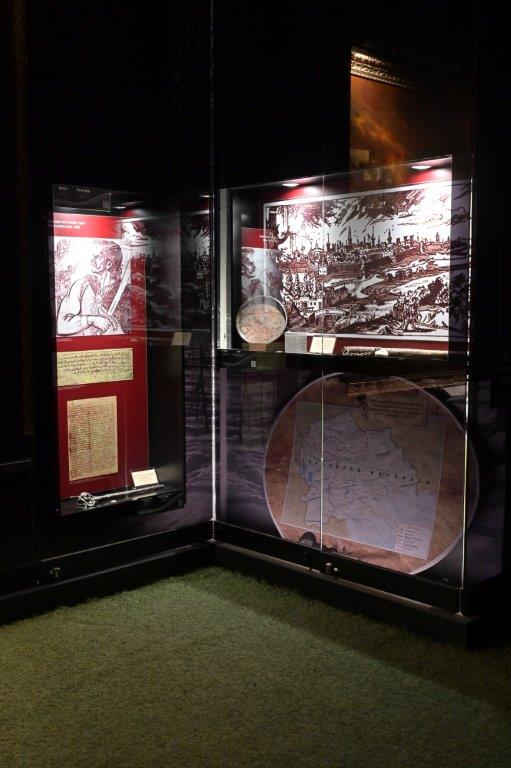
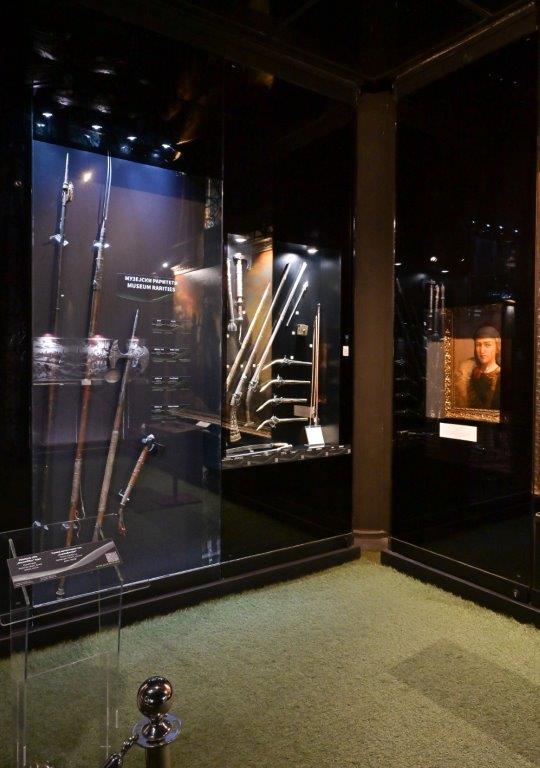
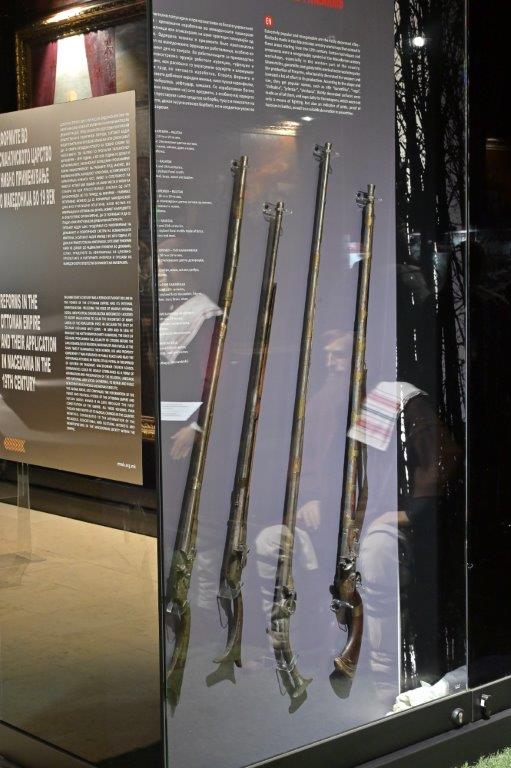
The hajduk movement - first massive armed resistance against the Ottoman Empire in Macedonia
The hajduk movement represents the first massive form of armed resistance against the Ottoman Empire in Macedonia. The last phase of this resistance is especially important because that is when the period of national liberation uprisings began in the Balkans and in Macedonia in the 19th century. Chronologically, it all began with Karposh, a well-known hajduk (outlaw) and leader of the first major uprising in Macedonia in 1689 – the Karposh Uprising. The hajduks of this period have remained lauded and deeply embedded in the collective memory of the Macedonian people as their protectors and inspiration for their subsequent battles. Among the most prominent rebels are the following: Ilija Markov Maleshevski, Sirma Vojvoda, Rumena Vojvoda, Tole Pasha, and others.
Ilija Markov-Maleshevski (1805-1898), hajduk and vojvoda, volunteer in the Russian-Turkish War and the Serbian-Turkish War, participant in the National-liberation War of the Balkan people and voivode in the Macedonian Uprising of 1878. (wax figure)
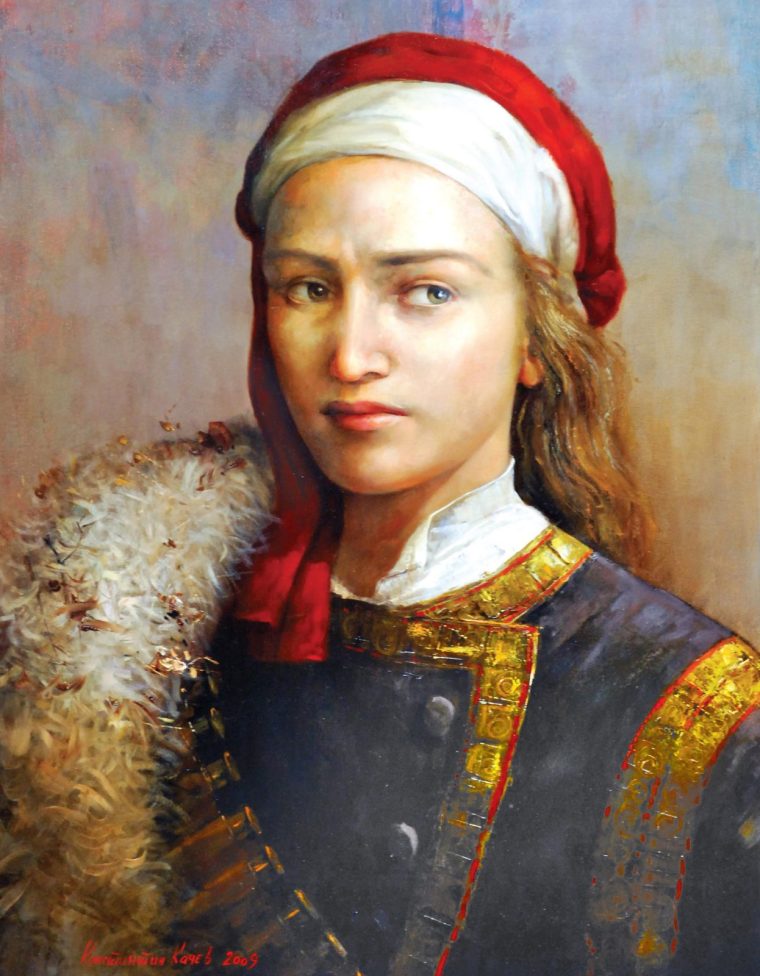
Rumena Vojvoda (1826-1861/62), or the “empress of the woods”, one of the most famous female hajduks and voivodes from the second half of the XIX century, whom operated in the Osogovo Region (oil painting, author Konstantin Kachev, R. Macedonia)